

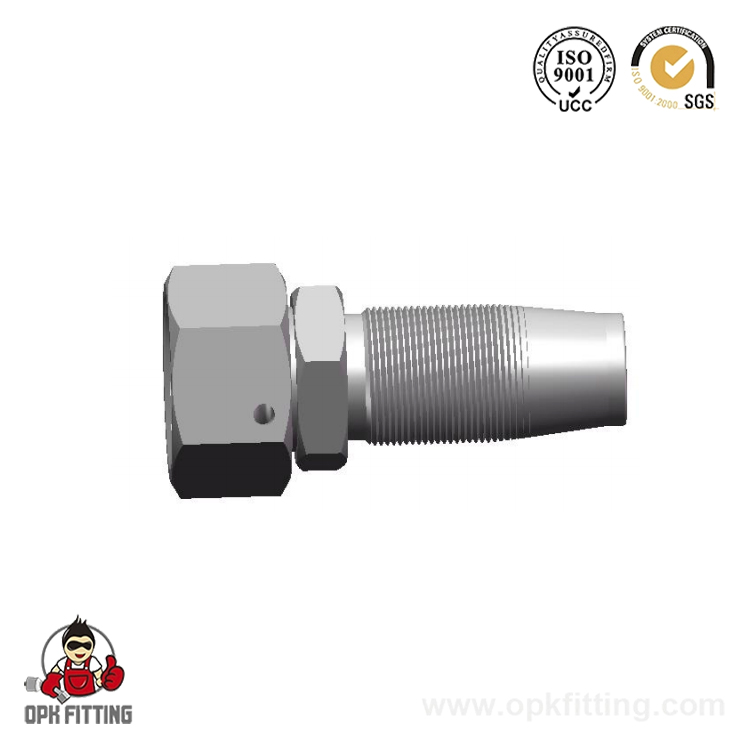
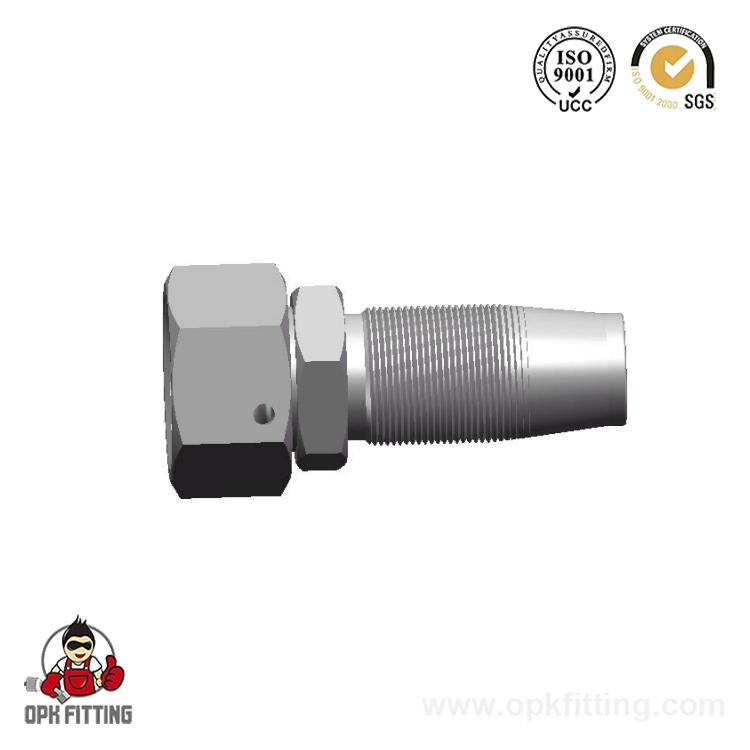
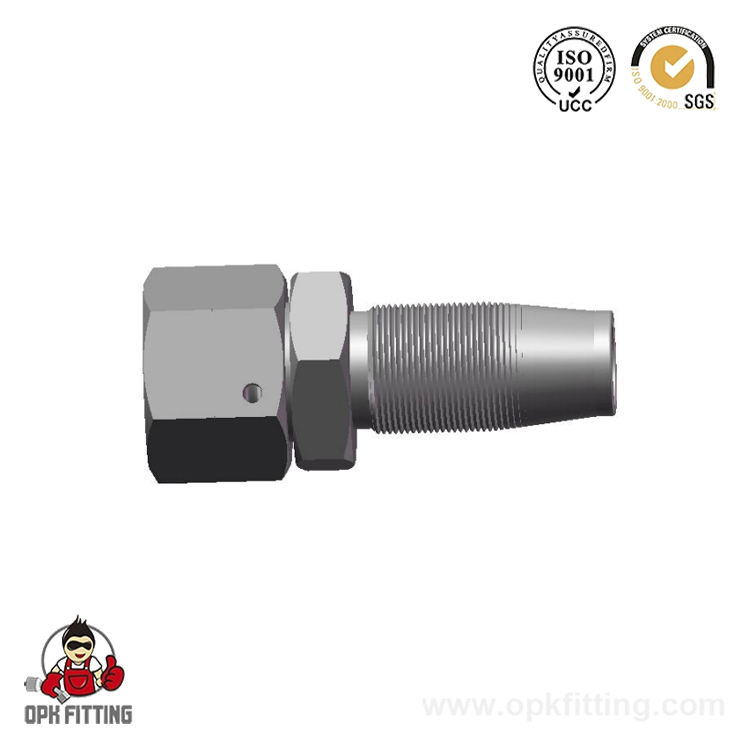
20418DW Metric Female 24°Cone O-RING L.T.
1. Raw Material: Carbon Steel & Stainless Steel available 2. Standard Plating: Trivalent Zinc Plating ( Cr3 / Chrome Free ), Silver ...
1. Raw Material: Carbon Steel & Stainless Steel available 2. Standard Plating: Trivalent Zinc Plating ( Cr3 / Chrome Free ), Silver ...
1. Raw Material: Carbon Steel & Stainless Steel available 2. Standard Plating: Trivalent Zinc Plating ( Cr3 / Chrome Free ), Silver ...
1. Raw Material: Carbon Steel & Stainless Steel available 2. Standard Plating: Trivalent Zinc Plating ( Cr3 / Chrome Free ), Silver ...
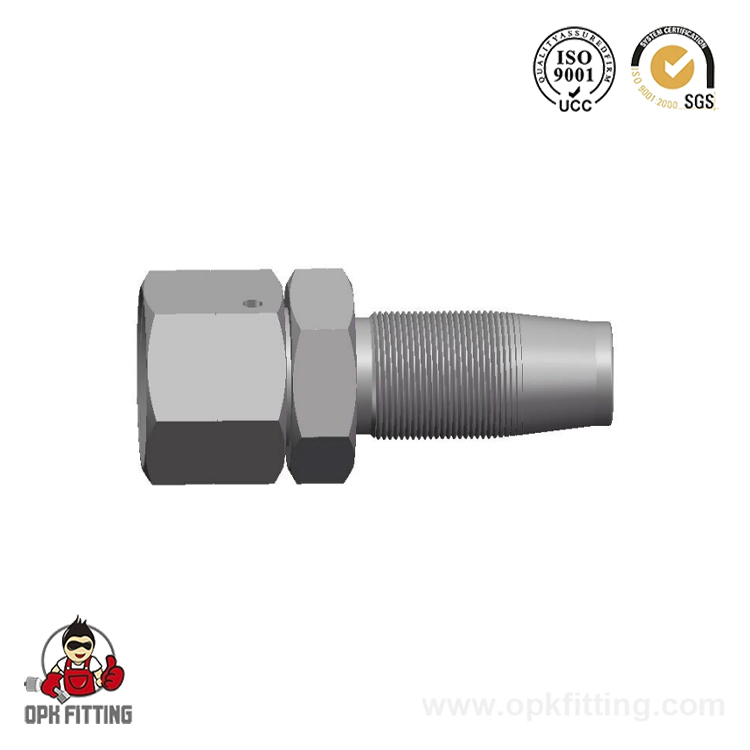
1. Raw Material: Carbon Steel & Stainless Steel available 2. Standard Plating: Trivalent Zinc Plating ( Cr3 / Chrome Free ), Silver ...
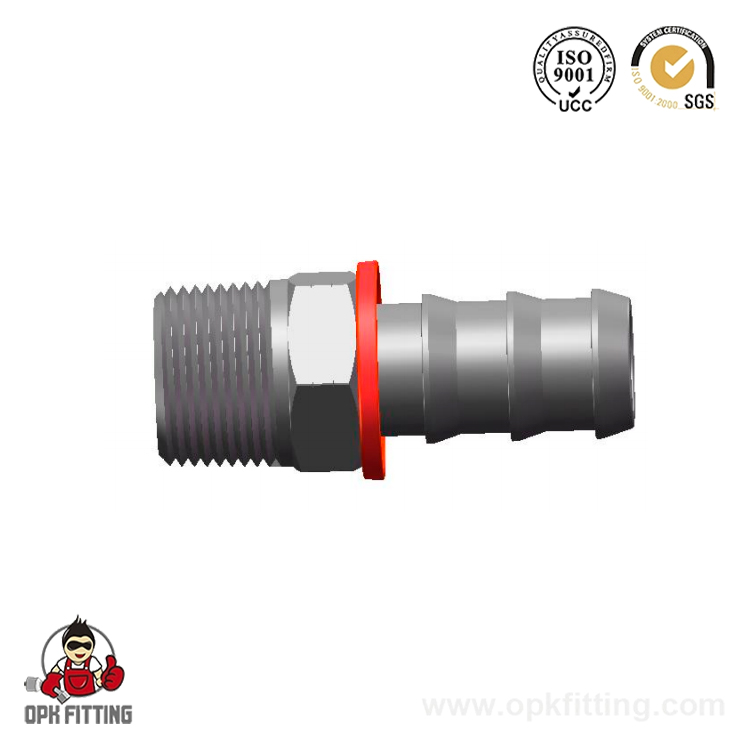
1. Raw Material: Carbon Steel & Stainless Steel available 2. Standard Plating: Trivalent Zinc Plating ( Cr3 / Chrome Free ), Silver ...
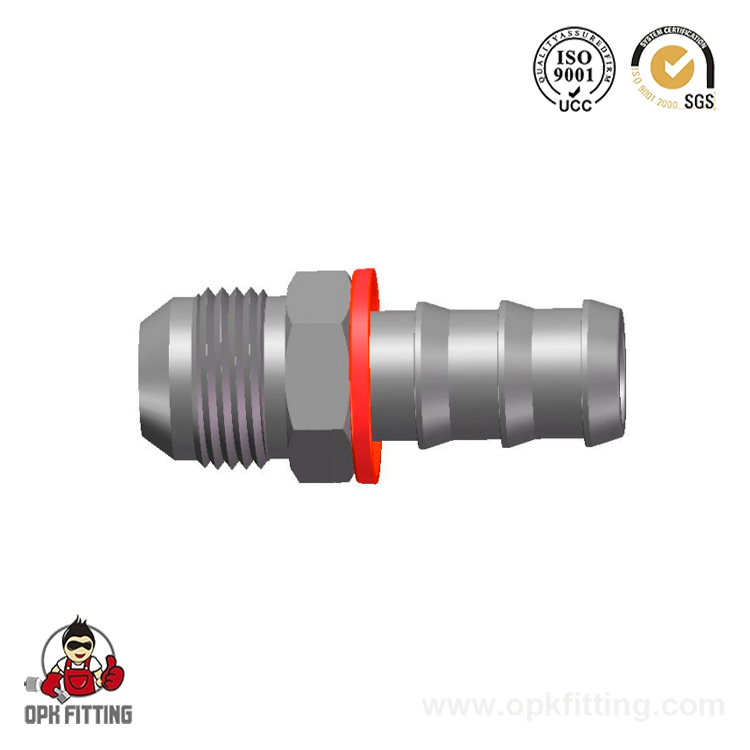
1. Raw Material: Carbon Steel & Stainless Steel available 2. Standard Plating: Trivalent Zinc Plating ( Cr3 / Chrome Free ), Silver ...
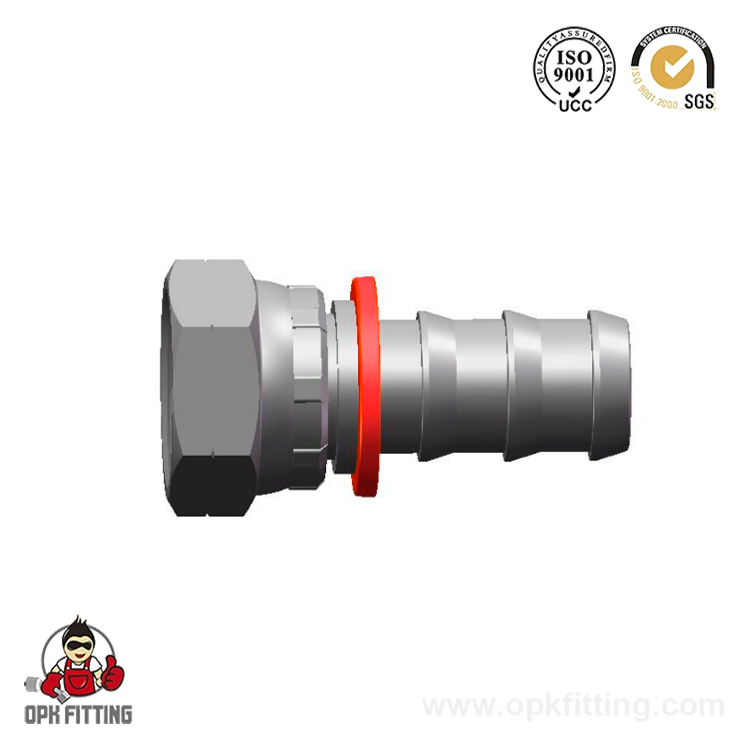
1. Raw Material: Carbon Steel & Stainless Steel available 2. Standard Plating: Trivalent Zinc Plating ( Cr3 / Chrome Free ), Silver ...
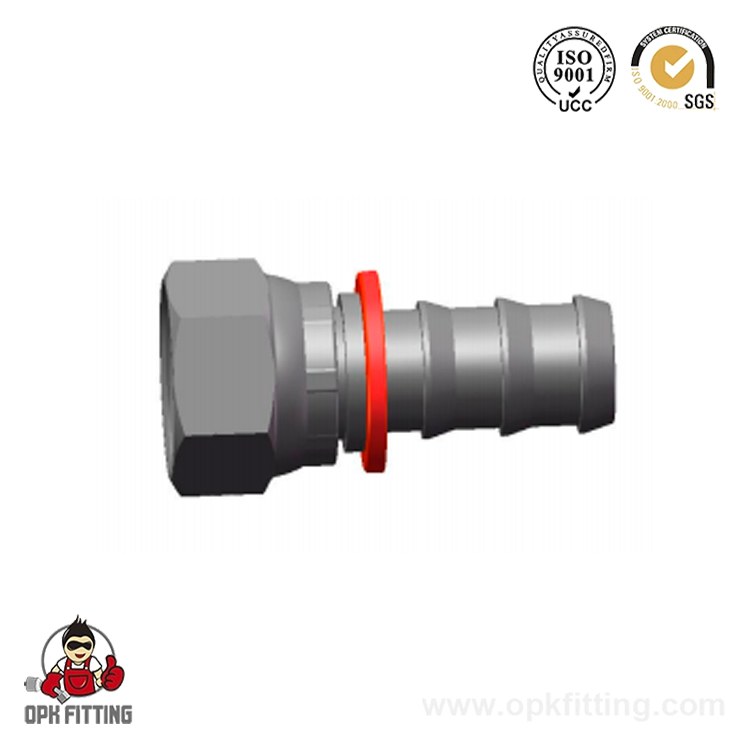
1. Raw Material: Carbon Steel & Stainless Steel available 2. Standard Plating: Trivalent Zinc Plating ( Cr3 / Chrome Free ), Silver ...
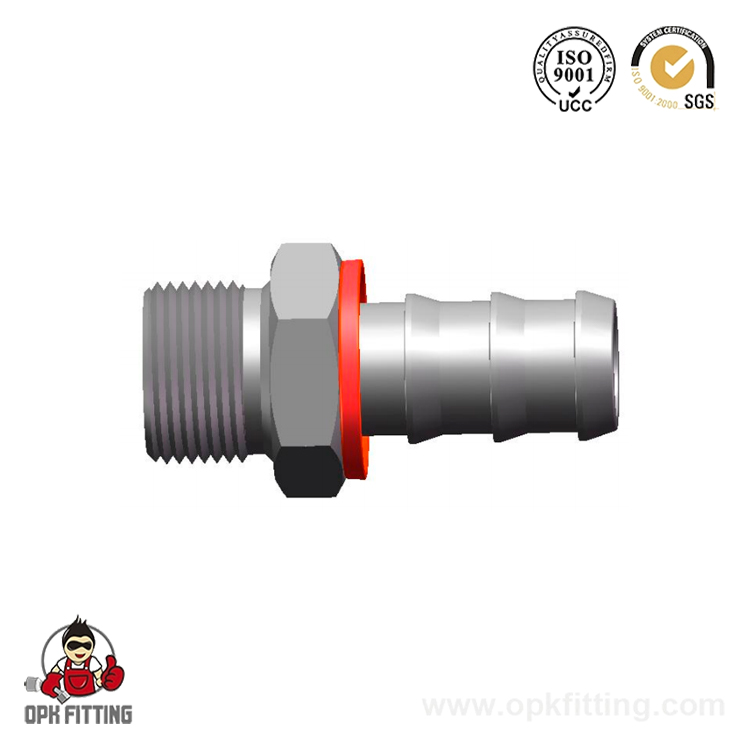
1. Raw Material: Carbon Steel & Stainless Steel available 2. Standard Plating: Trivalent Zinc Plating ( Cr3 / Chrome Free ), Silver ...
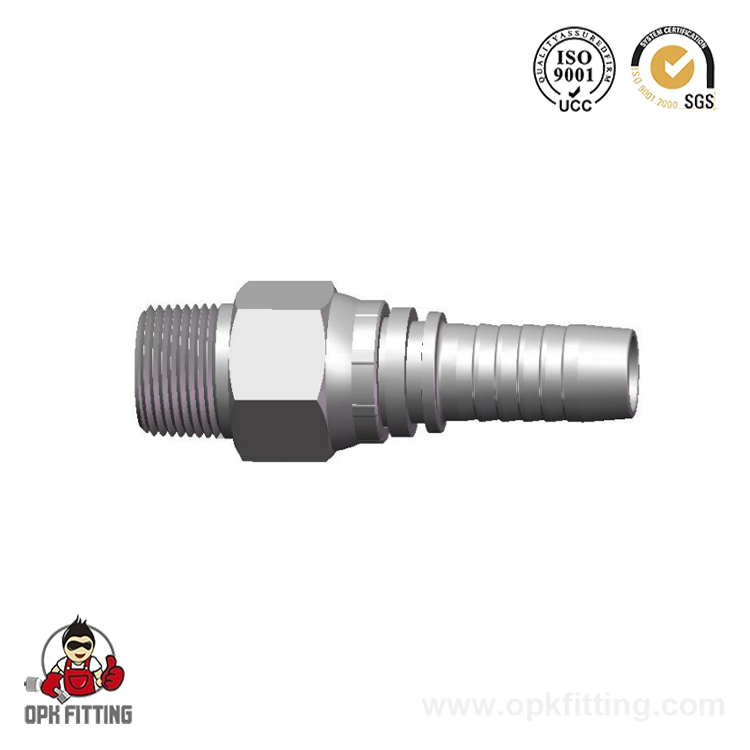
1. Raw Material: Carbon Steel & Stainless Steel available 2. Standard Plating: Trivalent Zinc Plating ( Cr3 / Chrome Free ), Silver ...
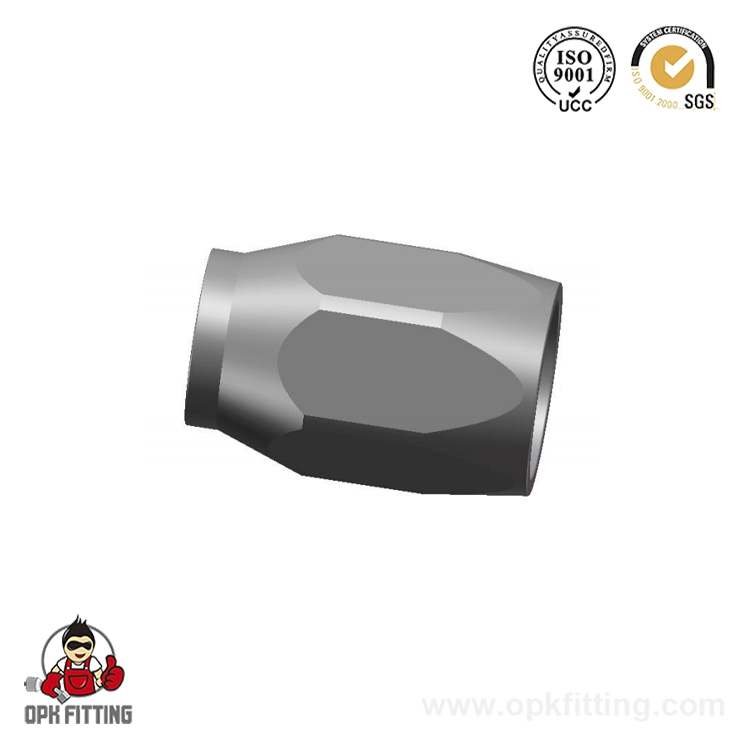
1. Raw Material: Carbon Steel & Stainless Steel available 2. Standard Plating: Trivalent Zinc Plating ( Cr3 / Chrome Free ), Silver ...

Our 10 years of customisation experience has created the OPK Fitting brand value.
La tua mano conosce già la differenza: un raccordo maschio JIC si inserisce senza problemi in un raccordo femmina JIC e si adatta con una svasatura di 37° metallo su metallo. Prova lo stesso maschio in una porta TNP e si lega, perde o danneggia le filettature. Questo breve test dimostra perché...
View MoreSupponiamo che un gruppo di tubi appena consegnato si avviti sulla porta della pompa per tre giri e poi si leghi. Forzandolo un po' di più si crea una connessione che sembra corretta ma perde non appena il sistema raggiunge la pressione operativa. Nell'assistenza sul campo, le filett...
View MoreA hydraulic hose bursts on an excavator arm at mid-morning. The spare fitting in the toolbox looks exactly like the damaged one, but it will not thread on. Identifying hydraulic fittings correctly is what separates a 20-minute repair from a half-day hunt for the right adapter. Most hydra...
View MoreHydraulic lines and fittings are essential components in fluid power systems, responsible for transporting pressurized fluid between different parts of machinery. These systems are widely used in construction equipment, manufacturing lines, and automotive applications. A typical hydraulic system can operate at pressures ranging from 1,500 to 5,000 PSI , making reliability and sealing performance critical.
Hydraulic lines (hoses or tubes) carry the fluid, while fittings connect these lines securely to pumps, valves, and actuators. Proper design ensures minimal leakage, efficient energy transfer, and long service life.
Each type serves different pressure ratings and operational requirements, ensuring optimal system performance.
| Type | Pressure Capacity | Best Use |
|---|---|---|
| Flexible Hose | Up to 5,000 PSI | Mobile equipment |
| Rigid Tube | Up to 10,000 PSI | Industrial systems |
Inspect hoses for cracks, leaks, or bulging. Studies show that over 70% of hydraulic failures are caused by poor maintenance.
Avoid over-tightening fittings and ensure correct alignment to reduce stress and extend lifespan.
Ningbo Force Auto Parts Co., Ltd. specializes in providing high-quality hydraulic components, lifting solutions, and industrial accessories. With advanced manufacturing capabilities and strict quality control, the company delivers reliable products that meet global standards, helping customers improve system efficiency and safety.
Typically every 3–5 years , depending on usage and environmental conditions.
Use correct fittings, ensure proper torque, and regularly inspect seals and connections.
Choose hoses for flexibility and vibration resistance, and tubes for high-pressure, fixed installations.

+86-18868902802


No. 298, Chenghai Road, Binhai New District, Fenghua Economic Development Zone, Fenghua District, Ningbo City, Zhejiang Province, China
Copyright@ Ningbo Opk Fitting Co., Ltd. Custom Hydraulic Lines Flexible Hydraulic Hoses Factory
